Force Dynamics 301 for Vestibular Rehabilitation

Introduction
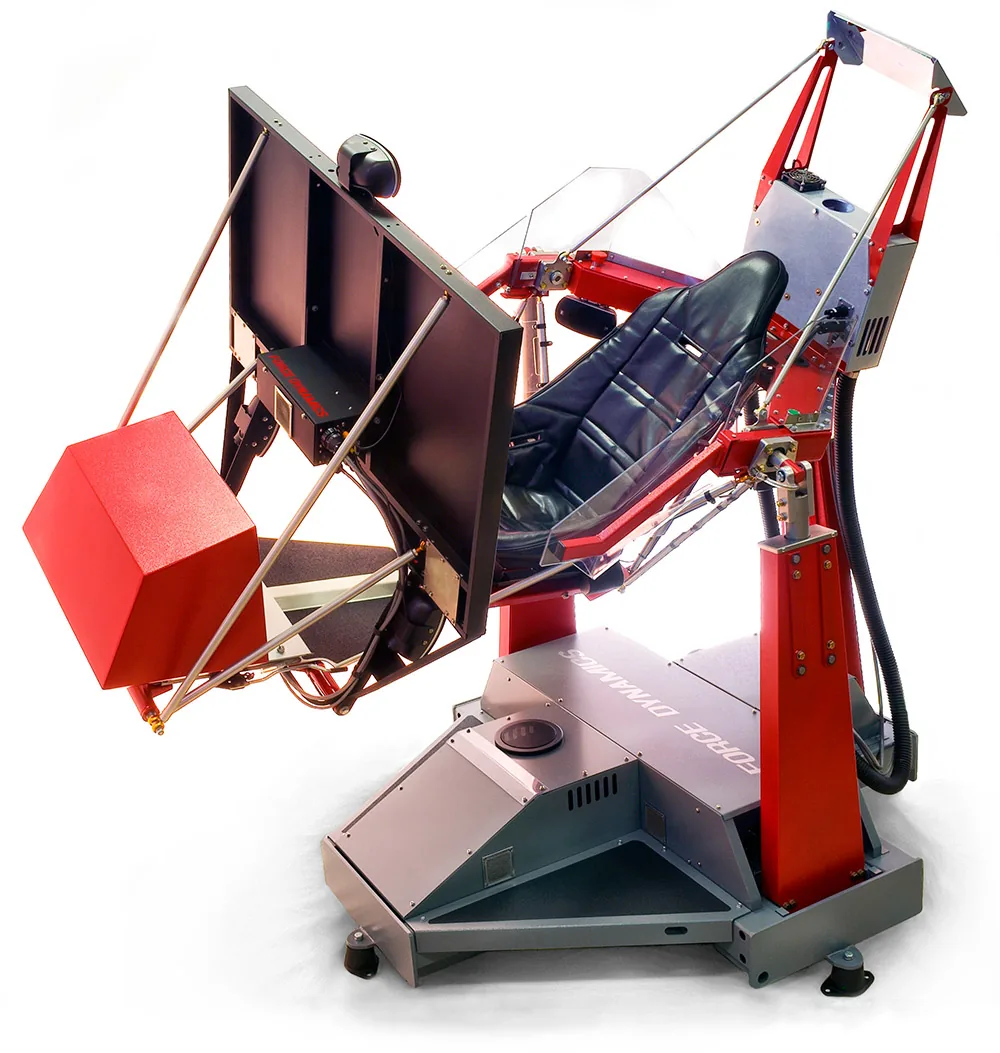
Explore the innovative application of the Force Dynamics 301 Driving Simulator in the field of vestibular rehabilitation. This state-of-the-art simulator is not only a leading tool for driver training and entertainment but also an effective device for vestibular therapy, helping patients recover balance and spatial orientation.
Image Description
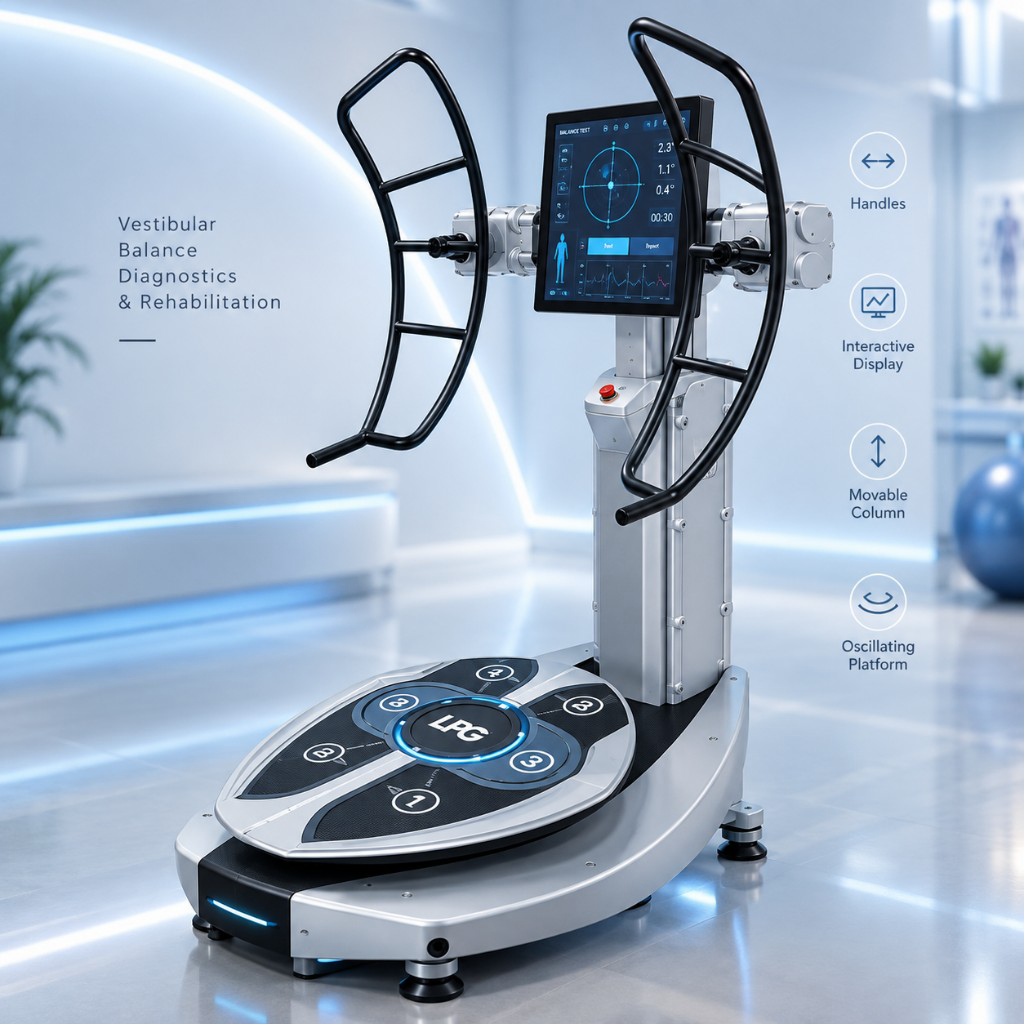
The image features the Force Dynamics 301 simulator adapted for vestibular rehabilitation. The simulator, with its high-fidelity motion platform, is shown being used by a patient experiencing vestibular disorders. The patient, secured within the simulator's cockpit, is undergoing a controlled series of movements and rotations that mimic real-life scenarios that challenge vestibular function. A therapist monitors the session, adjusting the simulator's settings to tailor the experience to the patient's therapeutic needs.
Key Features:
- Dynamic Motion Feedback: Utilizes complex algorithms to recreate realistic physical responses to movement, beneficial for retraining the vestibular system.
- Customizable Scenarios: Offers a range of simulation settings that can be adjusted to match the specific rehabilitation needs of each patient, from gentle movements for initial therapy stages to more complex scenarios for advanced rehabilitation.
- Safe and Controlled Environment: Provides a risk-free setting where patients can experience motion and spatial orientation challenges without the risk of injury.
Benefits:
- Enhanced Vestibular Compensation: Accelerates the process of vestibular compensation by consistently exposing patients to stimuli that challenge their vestibular system in a controlled manner.
- Improved Balance and Coordination: Helps patients develop better balance and coordination by simulating various environments and motion scenarios.
- Versatile Therapy Tool: Suitable for a wide range of vestibular disorders, including post-concussion syndrome, benign paroxysmal positional vertigo (BPPV), and others.
Conclusion
The Force Dynamics 301 Driving Simulator offers a novel and highly effective approach to vestibular rehabilitation. By simulating real-world motion scenarios in a controlled environment, it aids in the faster recovery of vestibular function, significantly improving patient outcomes in vestibular therapy sessions.
Other Vestibular Rehabilitation Options
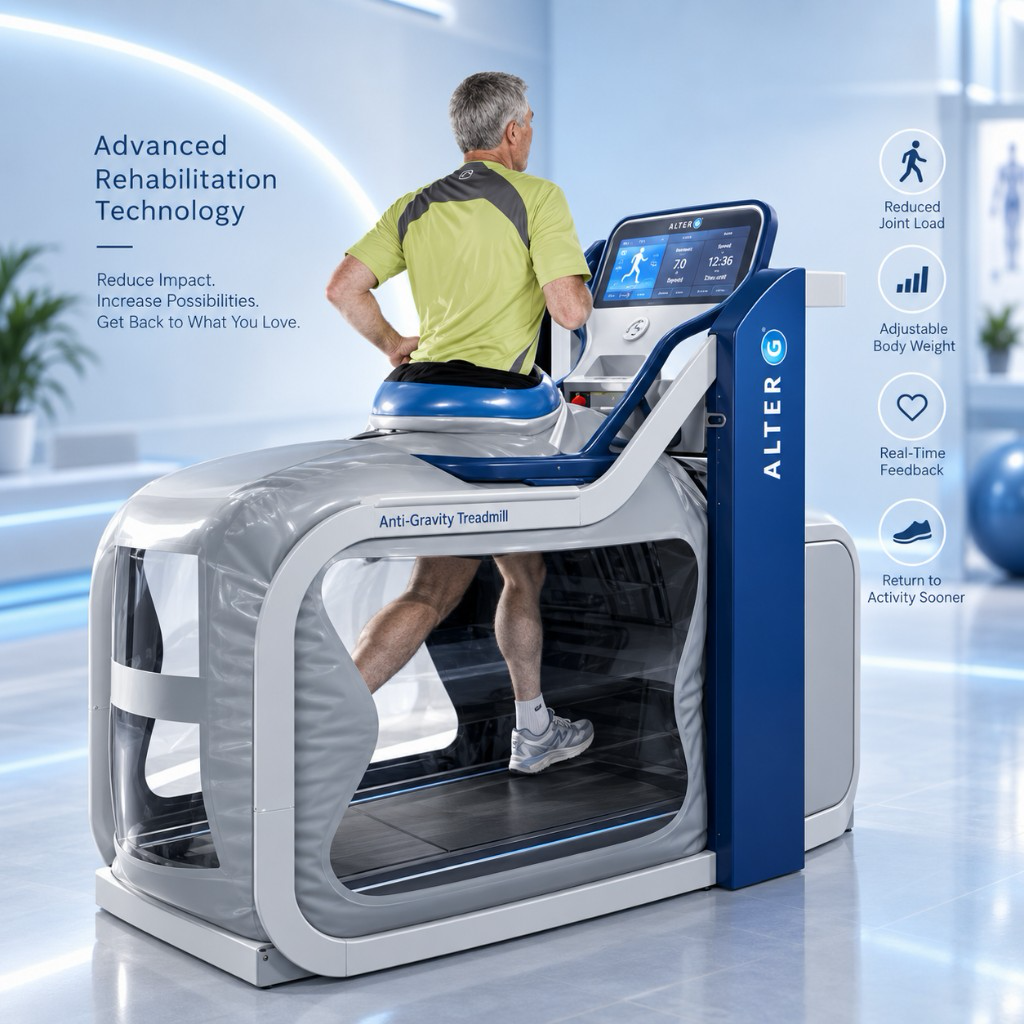
Pioneering Gait and Balance Rehabilitation
Revolutionizing Rehabilitation with the Alter-G At our clinic, we are proud to offer the Alter-G Anti-Gravity Treadmill, a revolutionary tool that is transforming the way we approach rehabilitation for balance and g...
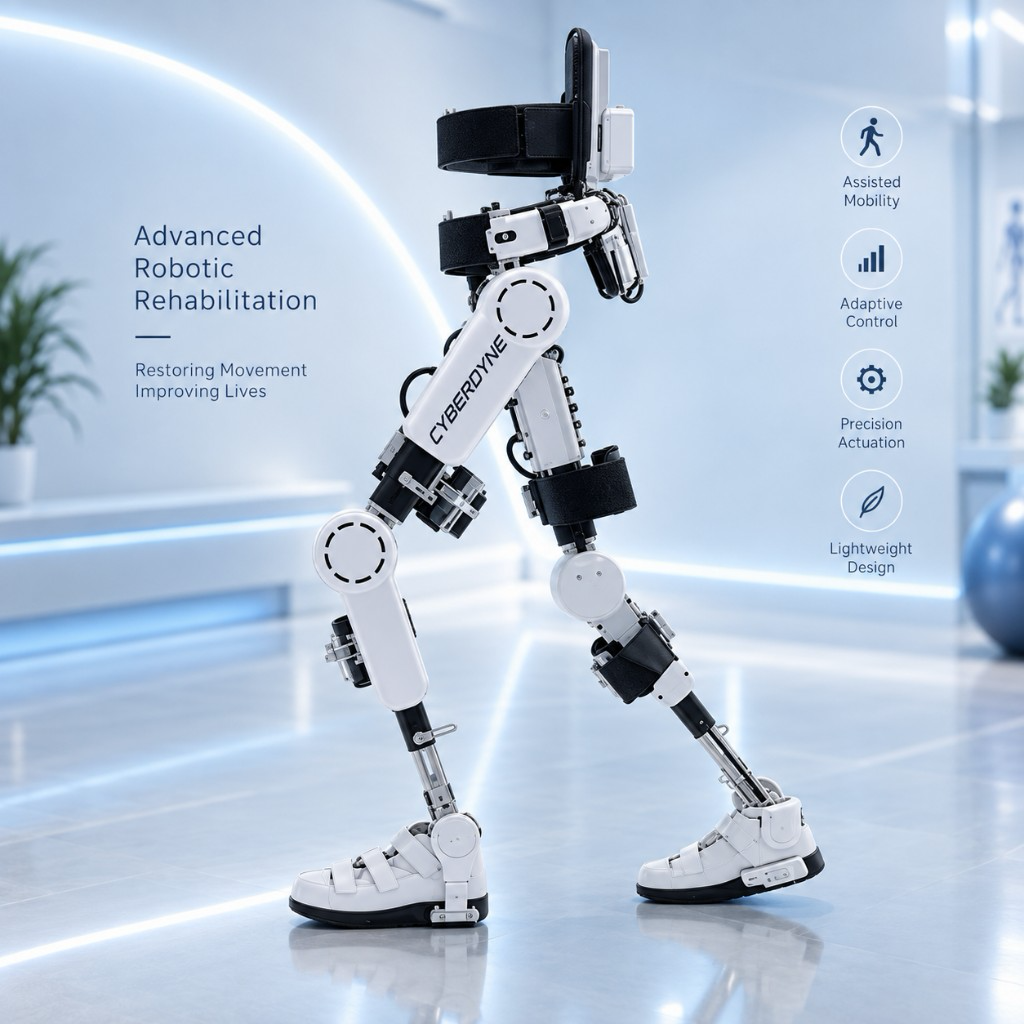
Transforming Rehabilitation with Robotic Technology
Introducing the Cyberdyne HAL The Cyberdyne HAL (Hybrid Assistive Limb) is an advanced robotic exoskeleton designed to support and enhance human motor function using voluntary control and bioelectric signals. This cut...
Enhancing Core Strength and Stability
Introducing the Spine Force Machine The Spine Force Machine is a groundbreaking piece of equipment designed to specifically target and enhance the strength of the spinal and core muscles. It is the first technology of...