
Educational Resources
Post-Concussive Syndrome/Traumatic Brain Injury
Post-Concussive Syndrome/Traumatic Brain Injury (TBI)

(click to enlarge)
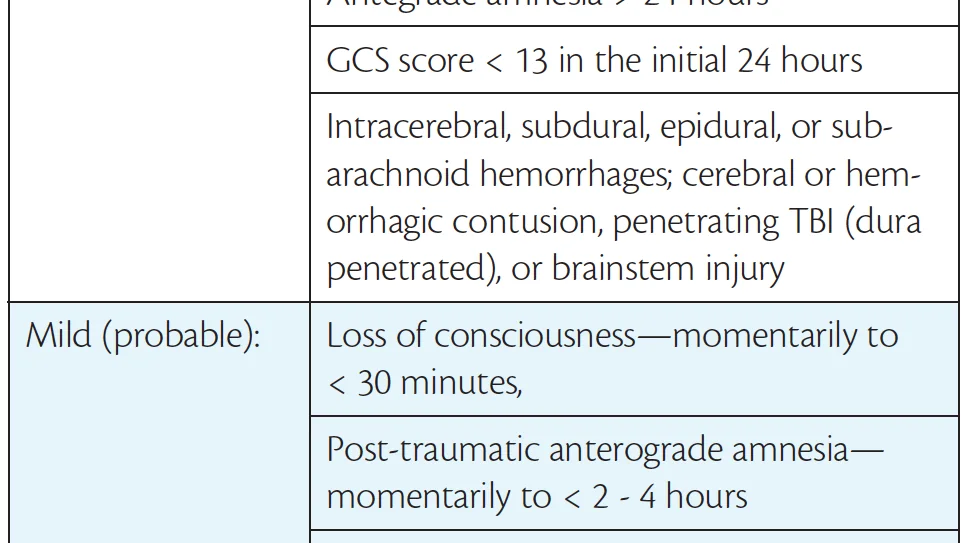
Understanding Post-Concussive Syndrome & Traumatic Brain Injury
Post-Concussive Syndrome (PCS) and Traumatic Brain Injury (TBI) are related neurological conditions that can arise after an injury to the head. PCS typically follows a concussion and involves a set of symptoms that persist long after the initial injury. TBI can range from mild to severe and affects brain function, potentially causing long-term complications or disabilities.
Symptoms of PCS & TBI:
- Cognitive Impairments: Difficulties with memory, concentration, and executive functions.
- Physical Symptoms: Headaches, dizziness, fatigue, and noise sensitivity.
- Emotional and Behavioral Changes: Irritability, anxiety, depression, and mood swings.
- Sleep Disturbances: Insomnia or sleeping more than usual.
Diagnostic Techniques:
- Neuroimaging (MRI or CT Scans): To detect structural changes in the brain post-injury.
- Neuropsychological Assessments: Evaluate cognitive impairments and help differentiate between PCS and other conditions.
- Balance Testing: Using tools like the Computerized Dynamic Posturography (CDP) to assess how the injury has affected the vestibular system.
Treatment Options:
- Medication Management: To address symptoms such as headaches, mood disorders, and cognitive dysfunction.
- Cognitive Rehabilitation Therapy: Helps patients regain lost cognitive functions and manage daily activities.
- Physical and Vestibular Therapy: Aids in recovery from balance issues and dizziness.
- Psychological Counseling: Support for emotional and behavioral challenges.
Advanced Diagnostic and Treatment Technologies at Our Clinic:
- EEG (Electroencephalogram): Monitors brain activity and identifies abnormalities that could influence symptoms.
- EMG/NCV (Electromyography and Nerve Conduction Velocity): Assesses the impact of TBI on nerve function.
- Videonystagmography (VNG): Evaluates vestibular health, which is often compromised following head injuries.
- Vertigo Recording Goggles: Diagnose specific types of balance disorders related to brain injuries.
Living with PCS & TBI:Ongoing management is crucial for living with PCS and TBI, involving:
- Educational Resources: Helping patients and families understand the condition and its impacts.
- Lifestyle Modifications: Recommendations to reduce symptoms and support recovery.
- Support Networks: Connecting patients with community resources and support groups.